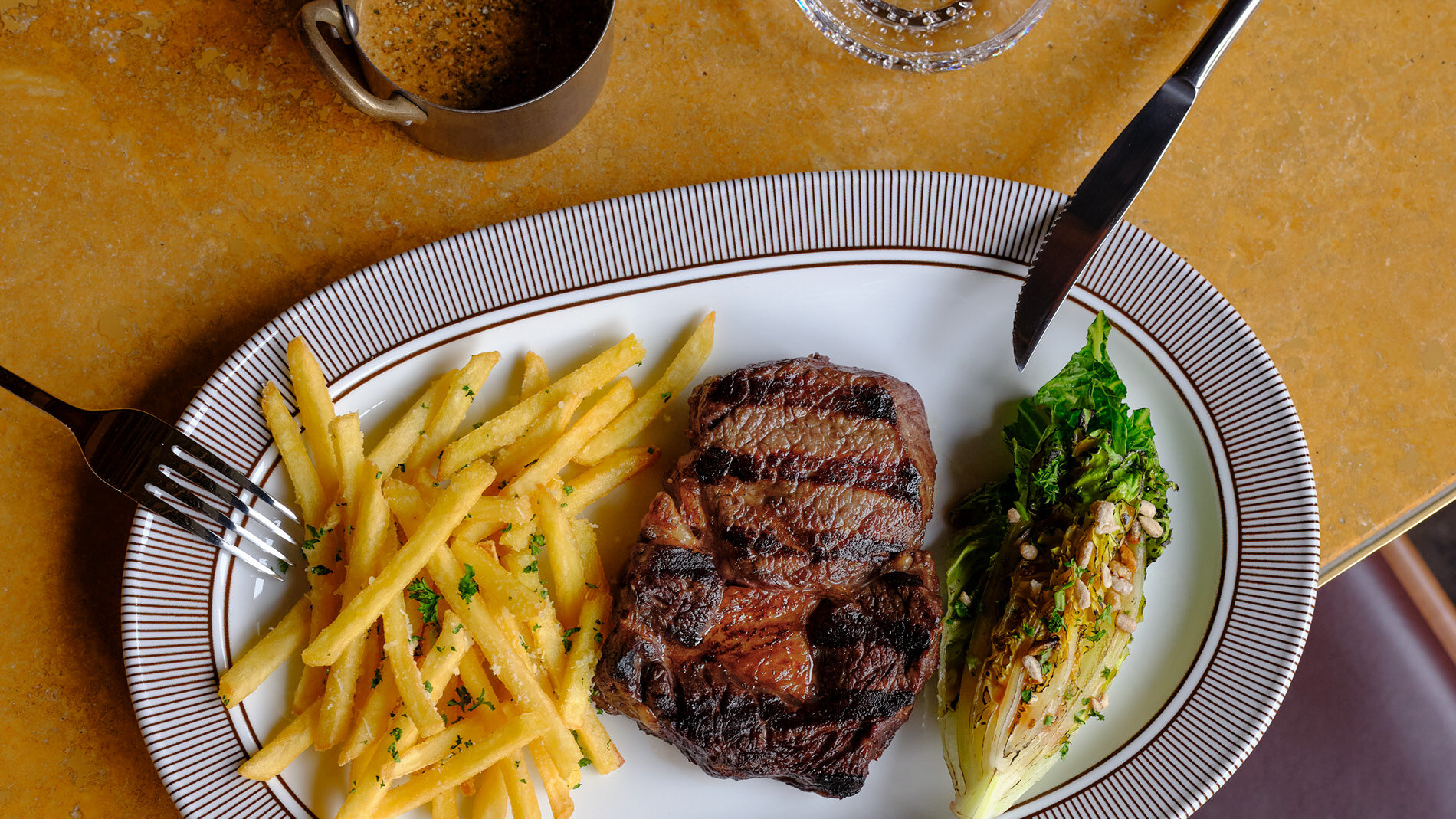
MOMENTS – NEW LOOK FOR A DESIGN LEGEND
In 2026, Form 98 celebrates its 90th anniversary – a milestone that highlights the enduring significance of this design classic. First introduced in 1936, it was a pioneering achievement: the first hotelware collection in which every piece was formally matched. Designed by Hermann Gretsch, Form 98 set new standards in functionality, aesthetics, and serial production. Its clear, timeless design remains relevant to this day – still produced in its original form and perfectly meeting the demands of modern gastronomy. Time to rethink the icon – with a fresh appearance and a familiar character.
MOMENTS
“Each piece has its own personality, but together they create a calm, connected table.”

Interview with the Designer
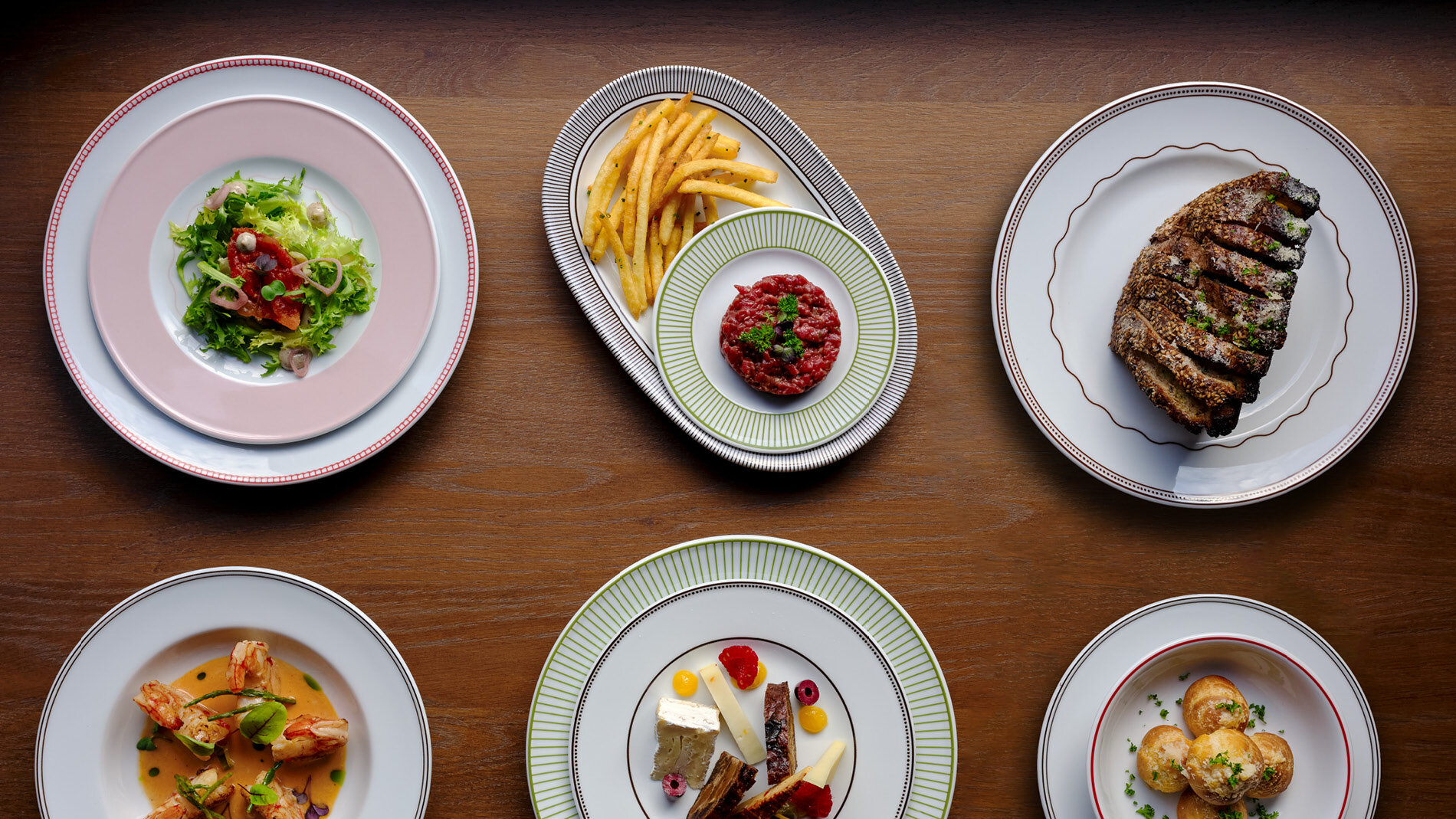
Ellen: What struck me most was its timelessness. You rarely come across a design that remains relevant for nearly a century. Many products feel dated after ten or twenty years, but Form 98 still looks fresh and elegant. That’s the mark of true design quality. At first, I wondered how I could add something new without disturbing that balance. Could a playful decor fit onto such a classic? The more I worked with it, the more I saw how flexible the shape really is. It carries color and line work naturally, almost as if it was waiting for it. That realization gave me a lot of freedom as a designer.
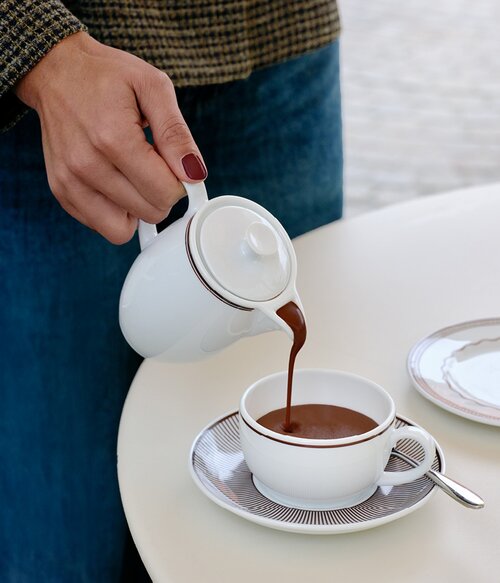
Ellen: For me, the shape always comes first. It tells you how much decoration it can carry. If the shape is very strong, you don’t want to cover it up. For example, the teapot is such a beautiful, iconic form that I kept it minimal; just a single line to underline the form without stealing its character. Other pieces, like the oval plates, are more understated. They risk blending into the background, so they can handle bolder patterns. There I worked with vertical lines and rings to make them stand out. It’s all about respect; listening to what the shape “wants” and then adding a voice that complements it.
Ellen: I think it’s becoming more important than ever. Guests no longer come just to eat; they want a complete experience. The table is where they spend the most time, and it’s also the most photographed part of the evening. If the porcelain doesn’t fit the concept, guests feel it immediately, even if they can’t put it into words. And if it does fit, it creates harmony, a sense of calm. It also shows up in photos that end up on Instagram or other platforms. In that way, porcelain isn’t just functional; it becomes part of the restaurant’s story and marketing. That’s a big shift.